You do not improve from effort alone. You improve when your body can absorb it.
Training is useful stress. Work, poor sleep, illness, injury, family pressure and worry also draw from the same recovery capacity. You cannot remove every stressor, but you can manage the total load and choose what your body needs next.
Treat sleep as seriously as training and food.
Most adults should aim for roughly seven to nine hours, while recognising that shift work, parenting, health and life can make this difficult. If your sleep is poor, improve it gradually. A consistent extra 20 or 30 minutes is still progress.
Build a landing routine
Choose a realistic wind-down time. Dim the lights, reduce stimulating screen use, and use reading, gentle mobility, breathing, music or journalling to slow the evening down.
Prepare tomorrow tonight
Lay out clothes, prepare breakfast or lunch, organise bags and make the morning easier. Less rushing can protect both sleep time and stress levels.
Improve the environment
Keep the room as dark, quiet and comfortable as practical. Review late caffeine, alcohol, large meals and work habits if they regularly interfere with sleep.
What good sleep supports
- Attention, decision-making and reaction time
- Mood, patience and day-to-day energy
- Training adaptation and tissue repair
- Appetite regulation and consistent food choices
- The ability to perform and recover again
When sleep is repeatedly short
- Hard sessions may feel harder than expected
- Focus, mood and coordination may suffer
- Hunger and cravings may be harder to manage
- Recovery can take longer
- During calorie restriction, limited evidence suggests insufficient sleep may make fat loss and lean-mass retention less favourable
Your body does not experience training in isolation.
“One stress bucket” is a simple coaching metaphor. A hard session can be positive, but it still adds load. Deadlines, financial pressure, caring responsibilities, conflict, pain, illness and poor sleep can reduce what you can recover from. That does not make you weak; it changes the sensible dose for today.
Notice
Look at sleep, mood, soreness, energy, motivation and life pressure. One bad day is not failure, but a pattern deserves attention.
Adjust
Keep the habit while reducing the dose: shorten the session, lower the load, move from high to moderate or low effort, or take a full rest day.
Reset
Use practical tools that suit you: a walk, slower breathing, time outdoors, a conversation, a written plan, relaxing company or professional support.
Low effort keeps you moving without adding another hard demand.
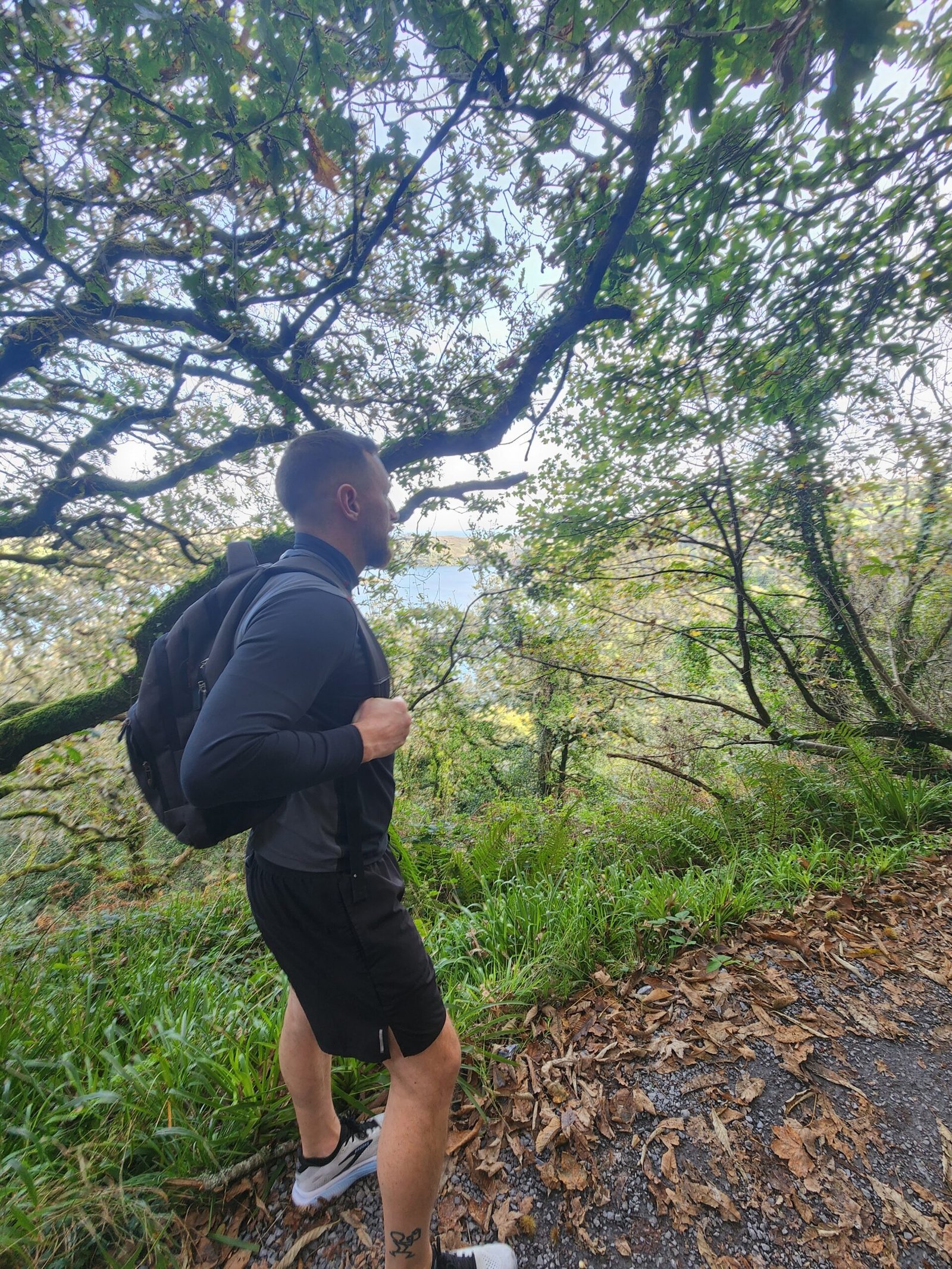
Active recovery normally sits around RPE 2–4 out of 10: comfortable enough to talk, breathe steadily and finish feeling the same or better. It is not a secret workout and it should not turn into a competition.
Useful low-effort choices
- Walking or an easy cycle
- Gentle swimming or rowing
- Mobility, stretching, yoga or Pilates
- Easy play with family or pets
- Light movement breaks during the day
When full rest may be better
- You are ill or unusually exhausted
- Pain is severe, worsening or changes how you move
- You feel faint, unwell or have concerning symptoms
- Your healthcare professional has advised rest or restrictions
- Even easy movement makes you feel worse
Use the information you have today.
Check the load
What did you train, how hard was it, and what else is happening in life?
Check the response
How are sleep, soreness, energy, mood and motivation trending?
Choose the next dose
High, moderate, low or rest. Keep the decision flexible and review how you respond.
Recovery coaching is not medical or mental-health treatment.
Persistent sleep problems, severe or worsening pain, fainting, chest pain, neurological symptoms, serious mental-health concerns or any situation that feels unsafe needs appropriate professional support. If you are in immediate danger or thinking about harming yourself, contact emergency services or a crisis service now.
Build a plan you can repeat in real life.
Choose the €300 12-week TFR programme for an AI-assisted personalised pathway with defined human oversight, or €900 private coaching for direct work with me.
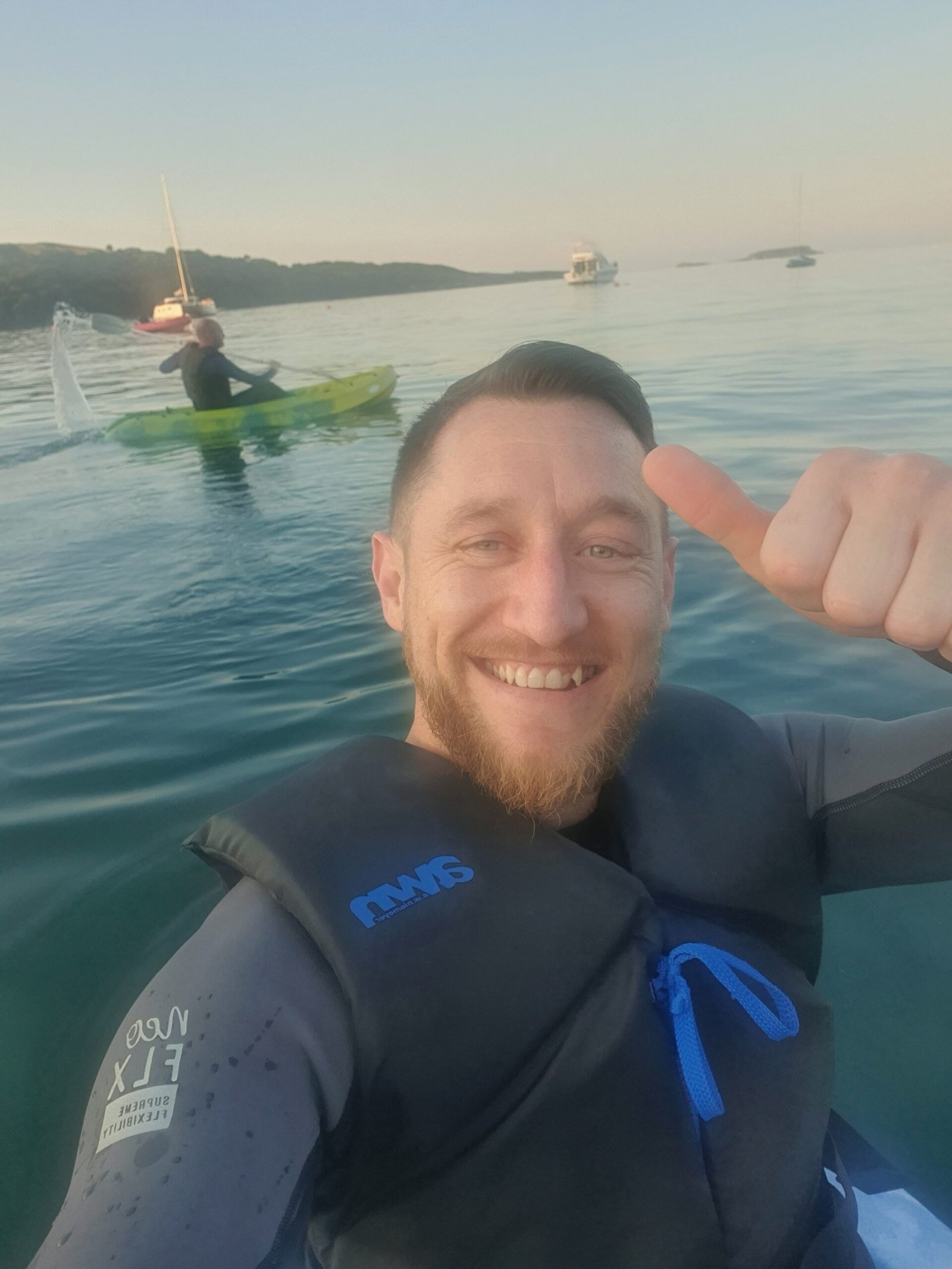
Recovery can still look active.